
New Home Maintenance: What Every Homeowner Should Know

Moving into a brand-new home is exciting, but knowing how to care for it is an important part of protecting your investment. While new construction means many of the major components and finishes are starting fresh, every home still needs regular attention and maintenance.
During the first year, your home will go through some natural changes as building materials dry, settle, and adjust to the Nebraksa seasons. At the same time, learning how your home’s systems work and establishing a few simple maintenance habits can help prevent small issues from becoming bigger problems.
Whether you’ve just moved into a new construction home or have been enjoying your home for a while, these practical new home maintenance tips will help you understand what to watch for, what to maintain, and how to keep your home working as it should.
Create a Homeowner File to Keep Important Information Organized

One of the easiest things you can do after moving in is create a dedicated place to keep information about your home. A simple folder, binder, or digital file can save you hours of searching when you need to reference a product, make a repair, or complete routine maintenance.
Consider keeping the following information together:
- Paint colors and finishes: Record paint colors and sheens for walls, trim, and doors so you can match them when touch-ups are needed.
- Appliance information: Take photos of model and serial number labels for your appliances. Register appliances with their manufacturers if you haven’t already.
- Homeowner documents: Keep your limited warranty and Homeowner Manual in an easy-to-find location.
- Receipts and records: Save receipts for items you add to your home, such as window coverings, fencing, or other improvements.
- Home photographs: Take photos of your home, inside and out. These can be useful for insurance records and future reference.
One additional task worth taking care of early is registering your furnace warranty with the manufacturer. Be sure to review the registration instructions and submit any required paperwork promptly. Some manufacturers offer extended warranty coverage when registration is completed within their specified timeframe.
Having this information organized from the beginning makes homeownership easier over the long run.
Know Where Your Home’s Important Controls Are Located

You probably won’t need your main water shutoff or electrical breaker panel very often, but when something goes wrong, knowing exactly where to find them can make a big difference.
Take a few minutes to walk through your home and locate these five important items:
Main Water Shutoff
If a pipe or plumbing fixture develops a leak, the main water shutoff allows you to stop water from flowing throughout the home. Make sure everyone in your household knows where it is located.
Gas Shutoff
Become familiar with the gas shutoff at the meter outside your home, as well as the individual shutoff valves located behind gas appliances.
Electrical Breaker Panel
Locate your breaker panel and make sure the breakers are properly labeled. This will help you identify the correct circuit if a light or outlet stops working.
GFCI Outlets
GFCI outlets have Test and Reset buttons and are commonly found in bathrooms, kitchens, garages, and outdoor areas. One GFCI outlet may protect other outlets farther away, so knowing where they are located is helpful when troubleshooting an electrical issue.
Furnace and Water Heater Switches
These appliances typically have nearby switches that look similar to ordinary light switches. Know where they are located so you can identify them when needed.
Taking this quick tour now can save valuable time if you ever need to respond to a plumbing, electrical, or mechanical issue.
Six Simple Troubleshooting Tips Before Calling for Service

Not every issue in a home requires a service call. Some common problems have simple solutions that homeowners can check first.
Here are six things worth trying when something isn’t working as expected:
An Outlet Isn’t Working
Check for a tripped GFCI outlet. Remember, one GFCI can control other outlets in different rooms, including garage and outdoor outlets. Press the Reset button and check the outlet again.
Lights or Outlets Aren’t Working in a Room
Check your electrical breaker panel for a tripped breaker. To reset it, switch the breaker completely off and then back on.
In some homes, one living room outlet is controlled by a wall light switch. If an outlet isn’t working, try another outlet or check whether a wall switch controls it.
No Heat or Air Conditioning
Before assuming there’s a problem with your heating or cooling system, check:
- The thermostat settings and batteries.
- The furnace power switch.
- The furnace filter.
- Whether the furnace door is fully closed.
Low Water Pressure at One Faucet
If only one faucet has reduced water pressure, debris may be caught in the aerator at the end of the faucet. Unscrew the aerator and rinse it out. Small amounts of debris can sometimes be present in new plumbing.
The Garbage Disposal Hums but Won’t Turn
Turn the disposal off. Use the appropriate hex key in the slot underneath the unit to free the mechanism, then press the red reset button.
A Smoke Detector Is Chirping
A periodic chirp often indicates that the detector needs a new battery, even if it is hardwired into your home’s electrical system.
If you’ve tried the appropriate troubleshooting steps and the problem continues, contact a qualified service professional or reach out to your builder for guidance when appropriate.
Help Your New Home Dry Out During the First Year

A new home contains moisture from construction materials such as lumber, drywall, and concrete. As these materials dry during the first year, they release moisture into the indoor environment.
Some window condensation is normal, especially as outdoor temperatures change. However, excessive indoor humidity can contribute to mildew, moisture-related paint problems, and other concerns.
A few simple habits can help manage moisture and improve ventilation:
- Run bathroom exhaust fans: Turn on bath fans during showers and leave them running for approximately 20 minutes afterward.
- Use your range hood: Run the kitchen range hood when cooking to help remove excess moisture.
- Monitor indoor humidity: Aim to keep indoor humidity between approximately 30% and 50%. An inexpensive hygrometer can help you monitor levels.
- Adjust your furnace humidifier: If your furnace has a whole-house humidifier, keep it set low or turned off during the initial drying period.
- Allow air to circulate: Keep furniture a few inches away from exterior walls to allow air to move freely.
Pay attention to areas around windows and exterior walls. If you notice heavy condensation or dark spots, don’t ignore them. Investigate the source and reach out for guidance if needed.
Good ventilation and reasonable humidity levels are important parts of caring for any home, especially during the first year.
Keep Water Moving Away From Your Foundation

Of all the routine maintenance tasks around your home, managing water drainage is one of the most important.
Water that collects near your foundation can create problems over time. Fortunately, a few simple inspections and maintenance habits can help keep water moving away from your home.
Check Your Downspouts
Make sure downspout extensions remain attached and direct water away from the foundation. They can easily become disconnected when mowing the lawn or playing in the yard.
Protect the Original Grading
The ground around your home was carefully sloped to help direct water away from the foundation and along the drainage swales between lots.
Avoid changing the original grading or adding soil against the foundation. Even small landscaping changes can affect how water drains around your property.
Maintain Landscaping and Mulch
Keep mulch and decorative rock below the siding, and make sure planting beds slope away from the home rather than trapping water near the foundation.
Adjust Sprinkler Heads
Check your irrigation system to make sure sprinkler heads aren’t spraying directly against the foundation, siding, or windows.
Walk Your Property After Heavy Rain
After a significant rainfall, take a few minutes to walk around your home. Watch where water collects and how it flows through the yard. This is an easy way to identify drainage concerns before they become bigger issues.
Proper drainage is an ongoing responsibility, particularly as landscaping, planting beds, and outdoor improvements change over time.
Maintain Your Home’s Filters, Fans, and Vents
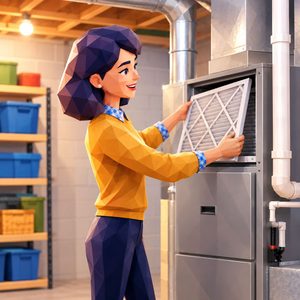
Your home’s heating, cooling, and ventilation systems work best when air can move freely. Dust, dirt, and lint buildup can reduce efficiency and contribute to unnecessary wear.
Make these items part of your regular maintenance routine:
Furnace Filter
Check your furnace filter regularly. Many standard 1-inch filters need to be replaced every one to three months, although the correct schedule depends on the filter and your home’s conditions.
A clogged filter can restrict airflow and contribute to heating and cooling problems.
Write the filter size on the furnace or keep a note in your Homeowner Manual so you always know which replacement to purchase. Buying a few filters at a time can make replacements easier.
Range Hood Filter
Remove the range hood filter periodically and clean it using hot, soapy water or the dishwasher if the manufacturer’s instructions allow.
Bathroom Exhaust Fans
Dust the fan grilles regularly so they can continue pulling moisture out of bathrooms.
Dryer Lint Screen and Vent
Clean the dryer lint screen after every load. Also check that the exterior dryer vent flap opens freely when the dryer is running.
Keeping these components clean helps your home’s systems operate as intended and supports proper airflow and ventilation.
Understand What’s Normal as Your New Home Settles

During the first year, your home will experience changes as lumber dries and building materials adjust to seasonal temperature and humidity changes.
You may notice small cosmetic changes, including:
- Small drywall cracks.
- Nail pops.
- Gaps in caulk or grout.
- Doors that begin to rub or no longer close as smoothly.
These types of minor changes are common in new homes as materials dry and settle. They are generally cosmetic rather than structural.
Instead of worrying about every small change as it happens, start a running list of items you notice.
As you move through the first year, add to that list and include applicable items on your one-year warranty request. Organizing everything together helps make the warranty review process more efficient and allows covered items to be addressed during the appropriate visit.
If something appears unusual or you have concerns about a potential problem, don’t hesitate to ask your builder for guidance rather than assuming it is normal settling.
Check the Systems That Quietly Protect Your Home

Some of your home’s most important components operate quietly in the background. You may not think about them very often, but periodic checks help ensure they are ready when needed.
Test Your Sump Pump, If Your Home Has One
A simple way to check your sump pump is to slowly pour a bucket of water into the sump pit. The pump should activate and empty the water.
Also check that the discharge line outside remains clear so water can flow away from the home.
Maintain Your Water Heater
Keep the area around your water heater clear and accessible.
Over time, sediment can collect inside the water heater. Follow the manufacturer’s instructions for draining sediment, which is generally recommended as part of annual maintenance.
If you’re unfamiliar with the process, review the manufacturer’s guidance before performing maintenance.
These simple checks help you become familiar with important home systems and recognize when something may not be working as expected.
Protect Your Home’s Floors, Cabinets, Countertops, and Other Finishes

New finishes can make a home feel fresh and inviting, and the right cleaning habits help keep them looking that way.
One of the easiest ways to damage new finishes is by using the wrong cleaning product or method. When in doubt, refer to the manufacturer’s care instructions or the information in your Homeowner Manual.
Here are a few general guidelines:
Countertops
Use mild soap and water for routine cleaning. Use trivets or protective surfaces under hot pans, and avoid harsh chemicals.
Natural stone countertops may require periodic sealing. Check with your countertop fabricator for the recommended care routine.
Vinyl Plank and Hardwood Floors
Avoid steam mops and soaking wet mops, which can damage flooring. Use appropriate cleaning methods and products for your specific floor type.
Place felt pads under furniture legs to help prevent scratches.
Cabinets
Clean cabinets with a soft, damp cloth and dry them afterward. Pay particular attention to areas around sinks and dishwashers, and wipe up spills promptly.
Stainless Steel Appliances
Use a microfiber cloth and wipe in the direction of the grain. Avoid abrasive cleaners and bleach.
Faucets and Shower Glass
Wipe surfaces dry after use to help prevent hard-water spots and mineral buildup. Avoid abrasive pads that can scratch or damage finishes.
A little extra care goes a long way toward preserving the appearance of your home’s finishes.
Your Annual Home Maintenance Checklist

Once you’ve made it through your first year, routine home maintenance becomes an ongoing part of homeownership.
Setting aside time once a year to inspect some of your home’s most important components can help you stay ahead of normal wear and maintenance needs.
Use this checklist as a starting point for your annual home maintenance routine:
- Inspect caulk around tubs, showers, sinks, and countertops. Touch up gaps as needed.
- Check exterior caulking around windows and doors.
- Walk the yard and make sure water continues to drain away from the house.
- Test your sump pump, if applicable.
- Test GFCI outlets.
- Clean the entire dryer vent duct.
- Drain the water heater according to the manufacturer’s instructions.
- Test the garage door automatic reverse safety feature.
- Test smoke and carbon monoxide detectors.
Keep your limited warranty and important home records in a safe, accessible place. Your Homeowner Manual is also a useful reference when questions come up about maintaining specific products and components.
Taking Care of Your Home Is an Ongoing Process
Owning a new home comes with the opportunity to start fresh, but maintaining it is an ongoing responsibility. Learning where important controls are located, keeping up with filters and ventilation, protecting your home’s drainage, and understanding normal settling are all part of being a confident homeowner.
The good news is that most routine maintenance doesn’t require complicated tools or extensive experience. A little attention throughout the year can help prevent avoidable problems and keep your home comfortable and functioning as intended.
At Hartland Homes, we want homeowners to feel confident not only when they move into their new home, but throughout the years that follow. If you have questions about your home’s features, systems, or maintenance, your Homeowner Manual is a great place to start, and our team is always happy to help point you in the right direction.
Be the first to comment